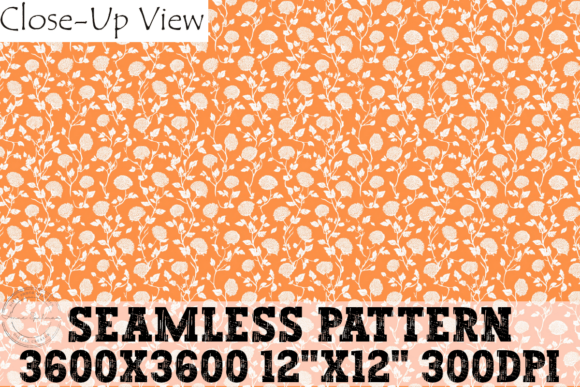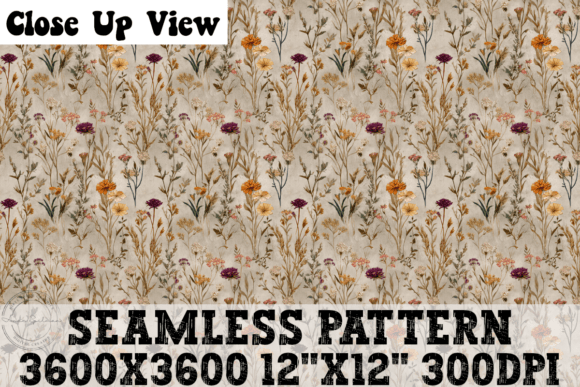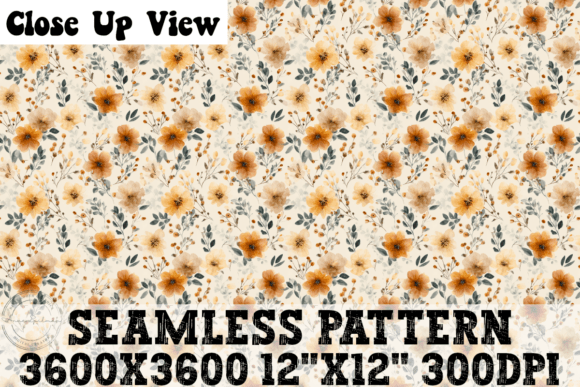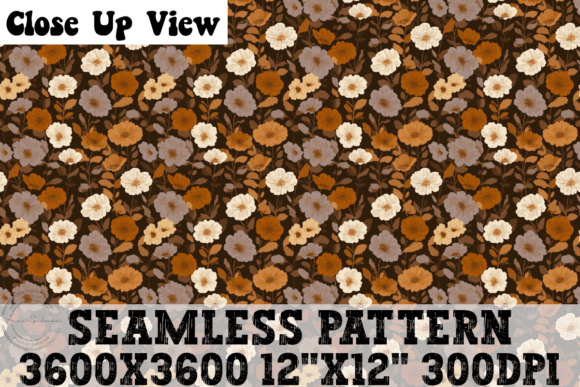
Floral Cottages Seamless Pattern Review
When I first opened the Floral Cottages Seamless Pattern, my immediate reaction was a sense of calm. In a market flooded with chaotic, high-contrast vector graphics and overly complex machine embroidery designs, this digital asset feels like a deep breath of fresh air. As someone who has spent years reviewing design assets for both personal craft projects and commercial client work, I am constantly looking for that specific balance between visual charm and technical feasibility. This seamless pattern hits that sweet spot, offering a mood that is rustic, inviting, and undeniably cozy.
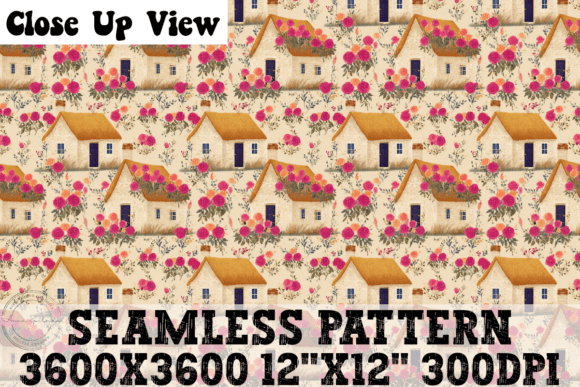
The theme itself—a collection of cottages nestled among blooming flora—creates an instant narrative. It isn't just a background; it tells a story of a quiet village morning or a peaceful garden retreat. The layout is designed to tile seamlessly, which is a critical feature for any designer planning to use this on larger surfaces. The 300 dpi resolution ensures that the details remain crisp even when scaled up, but the real test for any embroidery professional is not how the image looks on a screen, but how it translates to thread on fabric.
Bringing the Pattern to Life: A Real-World Scenario
To truly evaluate the utility of Floral Cottages Seamless Pattern, let's imagine a practical application. Suppose you are an Etsy seller preparing a holiday collection of custom embroidered aprons for a boutique kitchenware shop. You need a design that covers the entire front panel without looking cluttered or overwhelming the wearer. You decide to use this seamless pattern as the backdrop for a personalized gift line.
In this scenario, the tileable nature of the design becomes your best friend. Instead of struggling to align disparate elements or leaving awkward gaps at the seams, you can extend the pattern across the heavy cotton canvas of the apron. When stitched, the cottages create a continuous, dreamlike village scene that wraps around the garment. The customers receiving these aprons wouldn't just see a logo; they would see a cohesive piece of art. The soft, illustrative style of the graphics suggests a handmade aesthetic that resonates deeply with buyers looking for unique, artisanal goods rather than mass-produced items.
However, translating a digital graphic into a physical embroidery project requires more than just hitting the "stitch" button. The intricate lines of the cottage roofs and the delicate petals of the flowers must be interpreted correctly by the digitizing software. If the original file is a raster image like a .PNG, as noted in the product details, it will likely need to be converted into a vector or traced into a stitch file before it can be used in a machine embroidery design. This conversion process is where the true value of the design lies. Does the source image have enough definition to hold up under the pressure of dense stitching? The answer seems to be yes, provided the digitizer pays attention to the fine details.
Performance Across Different Embroidery Projects
This design proves versatile across a wide range of custom apparel and home decor items. For sweatshirt embroidery, the pattern works beautifully as an all-over print effect, perhaps using a lighter fill stitch to mimic the texture of a watercolor painting. On a tote bag, the floral elements can frame the handles or run along the bottom hem, creating a charming border that elevates a simple canvas bag into a statement piece.
I also see significant potential in baby products. A baby embroidery blanket featuring this pattern would be incredibly popular. The soft curves of the cottages and the gentle blooms are perfectly suited for nursery decor. When executed with pastel thread colors, the design exudes warmth and safety, making it an ideal choice for a personalized gift for a new parent. The seamless repeat allows for large coverage areas without repeating the motif in a way that looks obvious or cheap.
For those running a craft business or selling at craft fair products, this asset offers a strong branding opportunity. Imagine using the pattern on tags, hangtags, or even as a background for printable mockups to showcase your finished goods. The visual appeal of the design enhances the perceived value of the handmade product, suggesting a level of care and attention to detail that justifies a higher price point. Customers are willing to pay more for items that look professionally designed and thoughtfully executed.
Navigating Technical Challenges and Limitations
While the Floral Cottages Seamless Pattern is visually stunning, a seasoned designer knows that beauty does not always equal ease of execution. There are specific situations where this design requires caution. First and foremost, consider the hoop size. Because the pattern is meant to be tiled, it is often intended for larger surfaces. Attempting to fit a complex, detailed version of this pattern into a small hoop size might result in a loss of clarity. The tiny windows and roof tiles could become muddy blobs if the stitch density is too high or the fabric is too coarse.
Fabric selection is another critical factor. Textured fabrics, such as heavy denim or chunky knits, can obscure the finer details of the cottage architecture. Similarly, stretchy fabrics like jersey require careful stabilizer placement to prevent puckering, which could distort the seamless flow of the pattern. Dark fabrics present their own challenges; while the design is colorful, the contrast of light threads against a dark background can sometimes wash out the subtle shading of the illustration unless a high-quality underlay is used.
Curved surfaces, such as caps or hats, add another layer of complexity. While the pattern is flexible, maintaining the integrity of the tile on a curved brim requires advanced digitizing skills. If the distortion is too great, the cottages might appear squashed or elongated, breaking the illusion of a continuous village. In these cases, it might be better to isolate specific elements from the pattern rather than using the full seamless repeat.
Practical Designer Notes for Success
Before committing this design to a final production run, I strongly advise testing the design on scrap fabric first. This step is non-negotiable for anyone serious about quality control. Check the thread color contrast carefully; what looks vibrant on a monitor might look dull on a specific type of polyester or cotton blend. Review the stitch density to ensure that the fill stitches are not so dense that they cause the fabric to pucker or the threads to break.
Confirm the hoop size requirements early in the process. If you are working with a digital file that needs conversion, inspect the small details closely. Are the window panes distinct? Can the flower centers be clearly defined? Test the design in black and white mockups to see how the tonal values translate to thread weight. Compare how it looks on light versus dark fabric backgrounds to determine if additional underlay or topstitching is needed.
Always use proper stabilizer. For a design with this much detail, a cut-away stabilizer is often recommended to provide long-term support, especially for items like kitchen towels or pillow covers that will undergo frequent washing. If you plan to sell finished items, review the licensing terms thoroughly. Many digital patterns come with restrictions on commercial use, so ensure you have the right permissions to use the Floral Cottages Seamless Pattern for commercial embroidery projects.
Ultimately, this design is a fantastic addition to any creative entrepreneur's toolkit. It bridges the gap between digital artistry and tactile craftsmanship. Whether you are creating a holiday gift, a wedding gift, or a line of small shop products, this pattern provides a foundation of elegance and charm. By approaching it with technical precision and artistic sensitivity, you can transform a simple digital download into a cherished, high-value finished product that stands out in a crowded marketplace.