Orange White Floral Seamless Pattern Review
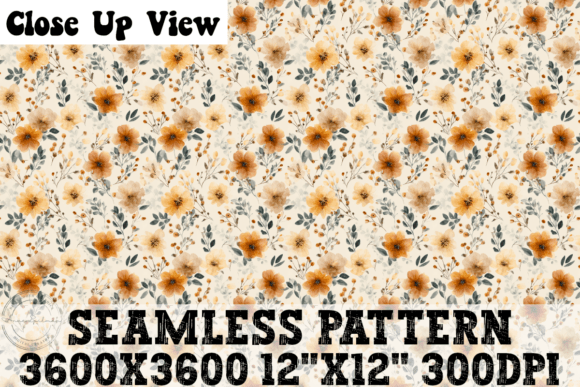
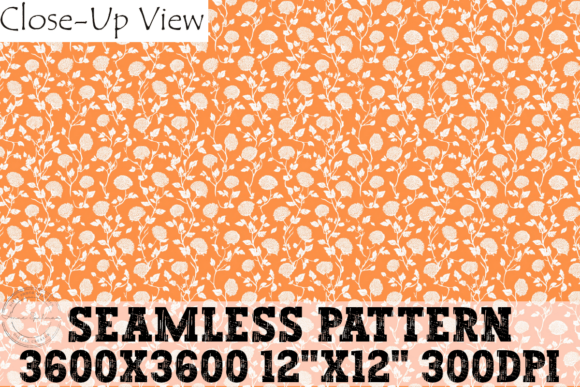
When I first opened the file for Orange White Floral Seamless Pattern, my initial thought wasn't about stitch counts or technical specs. It was about the mood. There is a specific energy that comes from a well-balanced floral repeat, and this one delivers a cheerful, sun-drenched vibe that feels perfect for spring collections or summer boutique lines. As someone who has spent years turning digital assets into tangible stitched goods, I know that not every graphic translates well to thread. Some designs look beautiful on a screen but fall apart under the needle. This particular design caught my eye because of its clean separation between the orange blooms and the white background, a combination that usually promises excellent contrast in embroidery.
The product description highlights that this is a tileable repeat pattern available as a high-resolution PNG. While it is technically a digital paper design, the real question for us is: how does it behave when converted into a machine embroidery design? The answer depends heavily on how we interpret the "seamless" aspect. In a physical context, a seamless pattern is meant to cover an entire surface without visible breaks. For a small shop owner looking to create a custom apron or a set of matching kitchen towels, this asset offers a lot of potential. However, using a raster-based image like a PNG directly in an embroidery workflow requires careful planning. We aren't just stitching a single flower; we are managing a repeating field that needs to look intentional and professional.
From Screen to Stitch: A Real-World Scenario
Let's imagine a practical scenario. You are preparing for a local craft fair, and you have a backlog of orders for personalized tote bags. You want something unique that screams "handmade" but doesn't require hours of digitizing from scratch. You decide to use Orange White Floral Seamless Pattern as the base for your design. Your goal is to create a large, all-over floral motif on the front of the bag.
In this situation, the visual appeal of the design becomes the primary driver. The orange tones pop against a neutral canvas, creating a warm, inviting aesthetic that customers love. When you mock up the design on a tote bag, the seamless nature of the pattern allows you to fill the space without awkward gaps. It creates a sense of abundance and luxury. However, if you were attempting to apply this same pattern to a baby onesie, the scale might be overwhelming. The key here is understanding that Orange White Floral Seamless Pattern works best when the scale matches the product size. On a tote bag, it feels expansive. On a small cap or a hat patch, it would likely become a muddy mess of colors if not resized correctly.
I also considered using this design for holiday gifts. The bright orange suggests autumn or harvest themes, making it ideal for Thanksgiving or Halloween merchandise. Imagine a set of embroidered pillow covers featuring this pattern. The contrast between the vibrant flowers and the white spaces allows the texture of the fabric to shine through, adding depth to the finished product. But remember, embroidery adds texture. A flat digital image gains dimension through satin stitches and fill stitches. If you rely solely on the print quality of the PNG without adjusting the stitch density, you might lose the crispness of the floral edges.
Navigating Fabric Choices and Constraints
As an experienced reviewer, I must point out where this design needs caution. Not every fabric plays nice with every pattern. Orange White Floral Seamless Pattern relies on high contrast to maintain its visual integrity. If you try to stitch this over a dark fabric without a heavy underlay or a white backing, the orange will disappear into the material. The white elements of the pattern are crucial for definition; they act as the negative space that lets the orange breathe. Therefore, this design is best suited for light-colored fabrics or garments that have been prepped with a stabilizer that mimics a white background.
Texture is another factor to consider. Embroidery on textured fabrics, like chunky knits or raw denim, can distort fine details. Since this is a seamless pattern, the repetition means any distortion will happen multiple times across the garment. If the fabric stretches too much during the hooping process, the flowers might warp, breaking the illusion of a perfect repeat. For stretchy fabrics like t-shirts or sweatshirts, you need a strong cut-away stabilizer to keep the pattern flat. Without it, the continuous flow of the design could bunch up, ruining the professional look of the final item.
There are also limitations regarding hoop size. If you are working with a small hoop, such as one used for patches or cap fronts, you cannot simply tile the entire pattern. You would need to crop the design strategically to ensure the focal points of the flowers land in the center of the hoop. Trying to force a large seamless pattern into a tiny area often results in cut-off petals or incomplete shapes, which looks amateurish. Similarly, on curved surfaces like caps, the tension varies across the curve. A flat pattern might look distorted when wrapped around the dome of a hat. In these cases, it is better to isolate a single bloom from the pattern rather than trying to stitch the whole repeat.
Practical Notes for the Design Professional
If you are planning to sell products made with Orange White Floral Seamless Pattern, there are a few critical steps to take before you hit the start button on your machine. First, always test the design on scrap fabric. This is non-negotiable. You need to verify that the thread colors you choose actually match the vibrancy of the original graphic. Sometimes, the digital orange translates to a duller shade in thread form. Check the contrast by testing it in black and white mockups to ensure the design holds up even if the color fidelity isn't perfect.
Review the stitch density carefully. A seamless pattern implies a lot of coverage. If the software converts the image into a dense block of fill stitches, it can make the fabric stiff and uncomfortable. You want the finished product to feel soft and wearable. Adjusting the stitch angle and length can help mitigate this stiffness. Also, inspect the small details. In a complex pattern, tiny corners can get lost in the stitching process. Ensure that the digitization (or your conversion method) preserves the delicate lines of the flowers so they don't merge into blobs.
Licensing is another area that demands attention. Even though this is a digital download from Creative Fabrica, you must confirm the terms of use before selling finished items. Does the license allow for commercial embroidery? Are there restrictions on the number of units you can produce? Many designers overlook this, leading to legal headaches later. Make sure you have clear permission to use Orange White Floral Seamless Pattern in your commercial embroidery projects. If you are an Etsy seller or running a small shop, clarity here protects your business reputation.
Finally, think about the presentation. A well-executed embroidery project using this pattern can elevate a simple tote bag into a premium gift item. The consistency of the repeat pattern signals professionalism and care. Customers notice these details. They see the precision in the alignment and the clarity of the colors, and it builds trust in your brand. Whether you are creating personalized gifts or mass-producing small shop products, the choice of design matters.
In conclusion, Orange White Floral Seamless Pattern is a versatile asset that brings a lively, organic feel to textile design. It shines in applications like tote bags, aprons, and home decor where a broad, repeating motif is desired. However, success lies in the execution. By respecting the constraints of fabric, hoop size, and stitch density, you can turn this digital graphic into a stunning finished product. Take the time to test, plan, and refine. When done right, the result is a piece of art that customers will cherish long after the event or season has passed.