Retro Floral Patchwork 20oz Tumbler Wrap Review
I have spent years reviewing digital assets for the embroidery community, and I know that a beautiful preview image does not always translate to a successful stitched product. When Retro Floral Patchwork 20oz Tumbler Wrap landed in my inbox, I didn't just look at the colors; I looked at the stitch logic, the potential wear points, and how it would perform on actual merchandise. This is not just a graphic file; it is a design asset with specific personality traits that demand careful handling if you want your finished product to look professional rather than amateur.
The first impression of this design is undeniably nostalgic. The patchwork aesthetic combined with retro floral motifs creates a warm, inviting mood that screams "handmade." It feels like something you would find in a curated vintage shop or a cozy craft fair booth. However, as an experienced designer, my job is to strip away the marketing fluff and ask: Does this work for a busy Etsy seller? Can it hold up to the rigors of commercial use? My answer is yes, but only if you understand where its strengths lie and where its weaknesses might trip you up.
Visual Personality and Design Logic
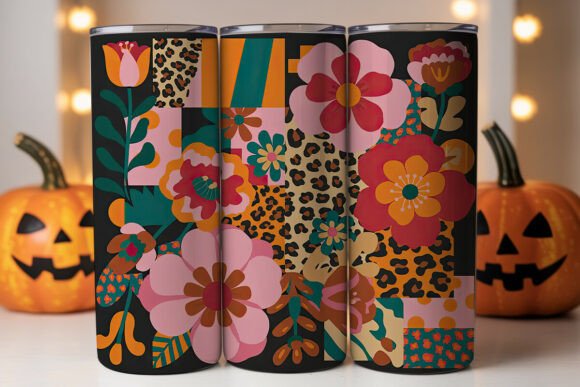
Retro Floral Patchwork 20oz Tumbler Wrap offers a distinct visual narrative. The layout suggests a collage of different fabric swatches, which implies a mix of textures and patterns. In the realm of machine embroidery, this translates to a need for varied stitch types. You will likely see areas of satin stitch defining the edges of the patches, fill stitches creating the body of the flowers, and perhaps running stitches to simulate the seams between the patches. This variety is excellent for adding depth, but it requires a steady hand and a well-calibrated machine.
The color palette is the soul of this design. Because it is described as a high-resolution PNG intended for a wrap, the contrast levels are crucial. If you are planning to use this for custom apparel or boutique branding, the colors must pop against the background fabric. A retro theme often relies on muted tones mixed with vibrant accents. If your thread selection doesn't match the original intent of the design, the "patchwork" illusion can collapse, making the design look flat and muddy instead of textured and rich.
Real-World Application Scenarios
Let's imagine a real-life scenario. You are preparing for the holiday season and have a rush order for personalized gifts. You decide to use Retro Floral Patchwork 20oz Tumbler Wrap to create a set of embroidered kitchen towels for a client who loves vintage aesthetics. The design fits perfectly here. The dimensions provided (9.3" x 8.2") allow for a substantial presence on a standard tea towel without overwhelming the fabric.
Alternatively, consider a small business owner launching a line of baby items. This design could be adapted for a baby blanket or a onesie. The soft, floral nature of the patchwork appeals to parents looking for nursery decor that isn't too gender-specific or modern. However, when stitching onto delicate baby fabrics, the density of the fill stitches becomes a critical factor. If the design is too dense, it can make the fabric stiff, which is uncomfortable for a baby's skin. You would need to adjust your stabilizer choice significantly to ensure the final product remains soft.
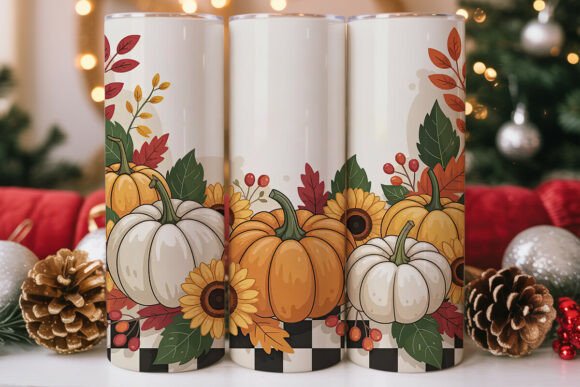
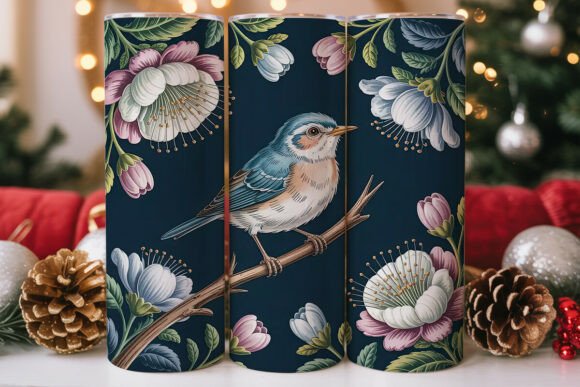
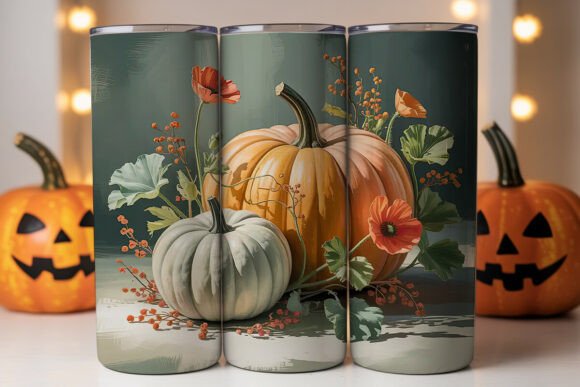
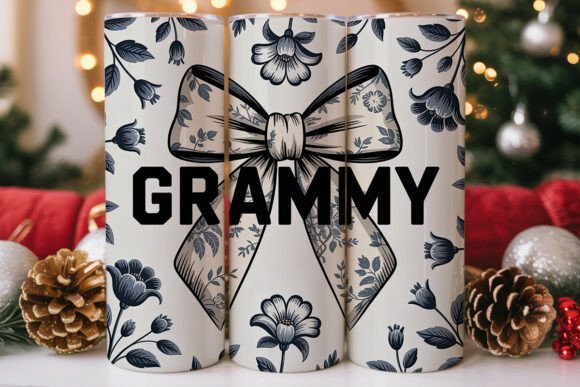
For an Etsy seller, this design is a goldmine for tumbler wraps. The "tapered" version mentioned in the files is specifically engineered for the curved shape of tumblers, ensuring the pattern aligns correctly when wrapped around the cylinder. This attention to detail saves time on digitizing and ensures a consistent look across all units produced. Whether you are selling these as standalone products or as part of a gift bundle, the visual appeal of Retro Floral Patchwork 20oz Tumbler Wrap adds immediate perceived value to your listing.
Where to Exercise Caution
Despite its charm, this design is not a one-size-fits-all solution. There are specific scenarios where Retro Floral Patchwork 20oz Tumbler Wrap might struggle. First, avoid using this design on small hoop sizes unless you are willing to crop the design heavily. The patchwork elements rely on their individual shapes to tell the story; cutting them off ruins the composition.
Textured fabrics present another challenge. If you attempt to stitch this on a heavy denim or a rough burlap, the needle may struggle to penetrate the material cleanly, leading to skipped stitches or puckering. Similarly, thin or stretchy fabrics require a very aggressive stabilizer approach. Without proper support, the tension of the satin stitches used for the floral outlines could pull the fabric into a distorted shape, ruining the geometric integrity of the patchwork.
Dense stitch areas are also a point of concern. If you plan to wash the finished product frequently, such as on aprons or dishcloths, ensure that the stitch density is appropriate. Too many layers of thread in one spot can lead to thread breakage during washing or cause the fabric to become rigid and prone to cracking over time. For products that need frequent washing, always test the durability before mass production.
Practical Designer Notes for Success
To get the most out of this embroidery file, you must treat it as a dynamic tool rather than a static image. Before committing to a large run, always test the design on scrap fabric. This simple step allows you to check thread color contrast and inspect small details that might get lost in the stitching process. Pay close attention to the corners of the patches; these are often where digitization errors hide.
If you are unsure about the stitch count or specific technical requirements, review the file documentation carefully. While the product description mentions high-resolution PNG files, you should verify the underlying digitization details such as stitch density and underlay settings. Confirming whether the design works for both personal and commercial projects is essential for avoiding licensing headaches later. Always check the license terms before selling finished items or digital products.
When setting up your machine, use a proper stabilizer that matches the weight of your fabric. For a design like this, which likely features a mix of satin and fill stitches, a cut-away stabilizer is often the safest bet for maintaining structure, especially on garments like sweatshirts or tote bags. If you are working on dark fabric, consider using a top stabilizer or a tear-away backing to prevent the design from sinking into the weave.
Final Verdict on Visual Appeal and Value
In conclusion, Retro Floral Patchwork 20oz Tumbler Wrap is a strong addition to any designer's library. It strikes a balance between trendy aesthetics and practical application. When executed correctly, it elevates a simple product into a statement piece. It builds customer trust by showing that the maker cares about detail and quality. For the creative entrepreneur, this design offers versatility across multiple categories, from home decor to apparel.
However, success depends on your execution. By respecting the limitations of the design and following best practices for stabilization and thread selection, you can create a finished product that stands out in a crowded market. Whether you are a hobbyist making gifts for friends or a seasoned professional fulfilling bulk orders, taking the time to analyze the design's nuances will pay off in the form of happier customers and fewer returns. Remember, the difference between a good embroidery project and a great one often lies in the preparation before the needle even touches the fabric.