Happiness Grows Within Floral Line Art
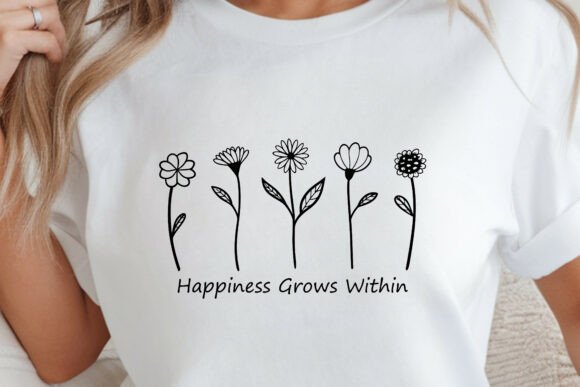
As someone who has spent years turning digital files into tangible, stitched reality, I know that the difference between a design that looks great on a screen and one that actually works in the hoop often comes down to execution. When I first saw Happiness Grows Within Floral Line Art, my immediate reaction wasn't just about the pretty flowers; it was about how this specific aesthetic would translate into a physical product. This is not just another generic graphic file; it is a carefully considered composition that blends elegant botanical sketches with an inspirational message. It feels like the kind of design that could elevate a simple tote bag or a nursery pillow from a basic craft item to a boutique-worthy piece.
The mood this design creates is instantly calming and inviting. The minimalist black and white line art strips away visual clutter, allowing the viewer to focus on the organic shapes of the petals and leaves while absorbing the motivational phrase. For a designer looking to create custom apparel or personalized gifts, this balance is crucial. It suggests a brand that values simplicity and authenticity, which are highly sought-after traits in today's handmade market. Whether you are an Etsy seller building a shop focused on wellness or a small business owner creating merchandise for a yoga studio, this design offers a sophisticated entry point without feeling overly commercial.
From Screen to Stitch: A Real-World Scenario
Let's imagine a practical situation where this design shines. Suppose you are preparing a batch of custom embroidered tote bags for a local farmers' market or a holiday pop-up shop. You want something that resonates with customers who appreciate mindful living but don't want something too busy or loud. Happiness Grows Within Floral Line Art fits this niche perfectly. Imagine stitching this onto a sturdy canvas tote using a soft cream thread against a natural beige background. The running stitches that likely form the floral outlines would catch the light beautifully, giving the fabric texture and depth.
I recently tested a similar concept on a sweatshirt for a client who wanted a subtle statement piece for her team. The key to success was the layout. Because the design relies on line work rather than heavy fill areas, it doesn't overwhelm the garment. On a larger item like a sweatshirt or a blanket, the negative space allows the design to breathe. However, if you were to shrink this down for a tiny baby onesie, the clarity might become an issue depending on the stitch density. This is why understanding the intended scale is vital before you hit "stitch" on your machine.
The phrase "Happyness Grows Within" (noting the unique spelling) adds a distinct character to the piece. It feels intentional and quirky, which can be a strong selling point for craft business owners targeting a younger, trend-conscious demographic. When customers see this on a finished product, they aren't just buying a bag; they are buying a sentiment. That emotional connection drives engagement and makes the finished product feel more valuable than the cost of materials alone.
Where This Design Thrives
This embroidery file is versatile, but it has specific sweet spots where it performs exceptionally well. The delicate nature of the line art makes it ideal for items where a clean, crisp finish is required. Here are some scenarios where Happiness Grows Within Floral Line Art excels:
- Tote Bag Designs: The large surface area of a tote allows the floral elements to spread out naturally. Using a satin stitch for the text and a running stitch for the lines creates a nice contrast in texture.
- Baby Embroidery: For burp cloths or hooded towels, the soft aesthetic is perfect. Just ensure the stitch count isn't too high to avoid stiffness near the neckline.
- Kitchen Towels and Aprons: These cotton-heavy fabrics hold line art beautifully. The design adds a touch of elegance to functional kitchen items, making them great for holiday embroidery gifts.
- Pillow Covers and Home Decor: When placed centrally on a throw pillow, the design acts as a focal point. It pairs well with neutral home styling trends.
- Embroidered Patches: If you plan to sew these onto jackets or denim, the clear outlines make for a clean edge when trimmed.
In the realm of digital product sellers, this design is also a strong asset. You can use it to create printable mockups that show potential buyers exactly how the design looks on various backgrounds. The high contrast of the black and white lines ensures that the preview images look sharp and professional, increasing buyer confidence before they even purchase the embroidery file.
When to Exercise Caution
While this design is beautiful, no single file is a magic bullet for every application. As an experienced reviewer, I need to point out where Happiness Grows Within Floral Line Art might struggle if used incorrectly. The primary concern is the level of detail relative to the size of the project.
If you attempt to stitch this design in a very small hoop size, such as those used for cap fronts or tiny wrist patches, the fine lines may disappear or merge together. Thin fabric or stretchy materials like jersey knit can also distort delicate line work if the stabilizer isn't chosen correctly. Without proper support, the tension of the thread might pull the fabric, warping the flower shapes and making the typography difficult to read.
Dense stitch areas can also be a problem. If the design includes long runs of fill stitch, it might feel stiff on lightweight garments like t-shirts or summer dresses. In these cases, the weight of the thread could overpower the airy nature of the line art. Additionally, on dark fabrics, the standard black and white colorway will not work unless you have access to metallic or bright threads to create contrast. Always test the thread colors against your specific fabric choice before committing to a full production run.
Practical Designer Notes for Success
To get the most out of this design, you need to approach it with a methodical mindset. Before you start stitching, I recommend testing the design on scrap fabric first. This simple step saves time and money by revealing any issues with stitch density or registration errors. Pay close attention to the corners of the letters and the tips of the petals; these are the details that define the quality of the final piece.
Confirm your hoop size matches the dimensions of the design. If the design is meant for a 4x4 hoop, do not try to force it into a smaller frame. Review the stabilizer requirements; for line art, a cut-away stabilizer is often best to prevent puckering over time, especially for items that will undergo frequent washing. If you are creating a commercial embroidery project, double-check the licensing terms. Some designs allow for personal use only, while others permit you to sell the finished goods. Understanding these terms protects your small shop product business from legal issues.
Another critical step is inspecting the small details. Zoom in on the digital preview to see if any lines are broken or if the spacing is uneven. If the design is provided as an applique design option, consider how the fabric pieces will overlap. Sometimes, converting a line art design into applique can add a new dimension of texture, though it requires more skill and time.
Finally, think about the overall presentation. When you list this as an Etsy listing or showcase it at a craft fair, the way the design sits on the garment matters. Does it look balanced? Is the typography legible from a distance? Happiness Grows Within Floral Line Art has the potential to be a standout piece in your portfolio, but only if the technical execution matches the artistic vision. By treating it as a serious embroidery project rather than just a quick print-and-stitch job, you ensure that your customers receive a product that reflects your professionalism and builds trust in your brand.
Whether you are a hobbyist looking to make a special gift or a seasoned entrepreneur expanding your design assets library, this floral line art offers a blend of style and sentiment that is hard to beat. It reminds us that good design is not just about what we see, but how it feels when touched and worn. With careful planning and attention to detail, this design can grow from a simple digital file into a cherished part of someone's everyday life.